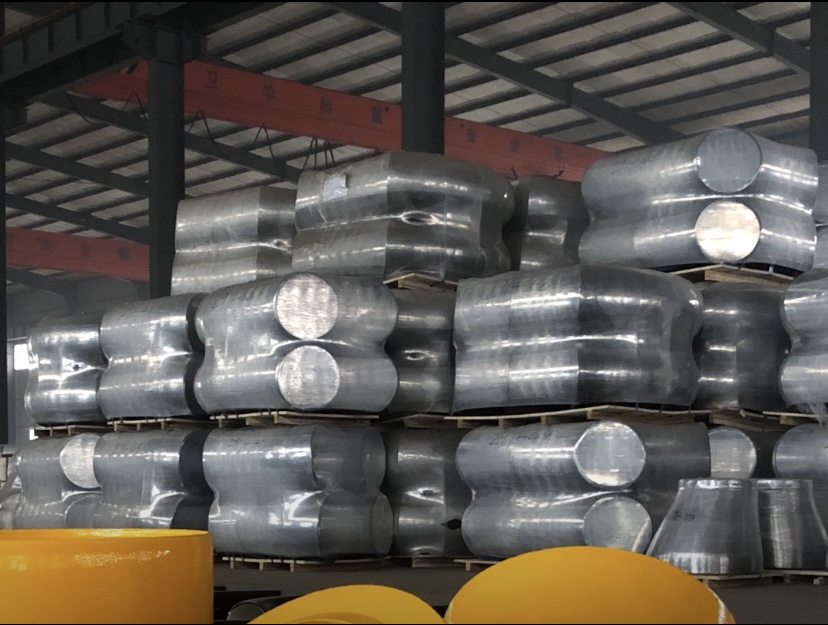


Steel pipe fittings are the backbone of modern industrial infrastructure, providing crucial connections, direction changes, and flow control in oil, gas, water, and chemical pipelines. Despite their immense structural strength, raw carbon and low-alloy steels are inherently vulnerable to the elements. From the moment they leave the manufacturing floor to the day they are installed on-site, these components must survive a treacherous logistical journey.
Extended storage in humid warehouses, exposure to coastal salt air during ocean freight, and mechanical impacts during transit can rapidly degrade raw steel. This is where engineered surface treatments become indispensable.
Far from being a cosmetic addition, proper surface preparation and coating serve as a vital protective shield that preserves structural integrity, prevents premature failure, and ensures that the fittings arrive ready for seamless installation.
The Hidden Threats: What Happens During Storage and Transport?
Before examining how surface treatments protect steel fittings, it is vital to understand the severe environmental and physical challenges they face:
- Atmospheric Corrosion (Rust): Unprotected steel reacts naturally with oxygen and moisture in the air to form iron oxide (rust). This process is severely accelerated by high humidity, rain, temperature fluctuations (which cause condensation), and industrial pollutants.
- Marine & Saline Exposure: Transporting goods via ocean freight exposes components to salt-laden air. Chloride ions from sea salt are aggressively corrosive to steel, triggering rapid pitting corrosion that can permanently ruin machined surfaces like threads and bevels.
- Galvanic & Chemical Attack: If fittings are stored in contact with dissimilar metals or exposed to chemical fumes in industrial environments, galvanic or chemical corrosion can occur, eating away at the metal.
- Mechanical Damage: During loading, unloading, and transit, fittings can bounce, rub, or collide. This causes scratches, gouges, and abrasions that don't just damage the geometry but also strip away any rudimentary temporary protection, creating focal points for localized rust.
Types of Surface Treatments Used for Pipe Fittings
To combat these threats, manufacturers apply various tailored surface treatments based on the steel grade, length of storage, transport method, and final application.
1. Temporary Protective Oils and Rust Preventatives
For fittings intended for rapid installation or indoor storage, a temporary rust preventive oil or light waxy coating is often applied. These compounds create a hydrophobic barrier that repels moisture.
- The Benefit: They are highly cost-effective and easy to remove on-site using standard industrial degreasers prior to welding or painting.
2. Black Oxide and Phosphate Coatings
Phosphate coatings (zinc or manganese) and black oxide treatments involve a chemical conversion process that alters the outer layer of the steel.
- The Benefit: These finishes create a porous structure that exceptionally absorbs rust-inhibiting oils or waxes, keeping the oil bonded to the metal surface longer during rough transport. They also add minimal thickness, preserving precise dimensions.
3. Hot-Dip Galvanizing (HDG)
For heavy-duty protection—especially for fittings exposed to outdoor storage or maritime transit—hot-dip galvanizing is a gold standard. The steel is submerged in molten zinc, creating a metallurgical bond.
- The Benefit: Zinc acts as a sacrificial anode. Even if the coating is scratched during rough handling in transport, the surrounding zinc will corrode instead of the underlying steel. It provides robust, long-term atmospheric protection.
4. Fusion Bonded Epoxy (FBE) and Liquid Epoxy Coatings
Epoxy coatings are widely used for large industrial fittings. Fusion Bonded Epoxy involves heating the fitting and applying a dry powder that melts and cures into a hard, continuous plastic-like shell.
- The Benefit: Epoxy coatings offer incredible resistance to moisture, chemicals, and salt spray. They also provide a tough physical cushion against mechanical abrasions, impacts, and scratches sustained during bumpy overland shipping.
5. Shot Blasting and Pickling (Surface Preparation)
It is worth noting that no coating can perform without proper surface preparation. Shot blasting (bombarding the steel with abrasive media) or pickling (acid cleaning) removes mill scale, existing rust, and contaminants.
- The Benefit: This creates a clean, anchor-like profile on the steel surface, ensuring that protective paints or epoxies adhere perfectly and don’t peel or flake off during transit vibrations.